

Pelvic organ prolapse is when one or more of the pelvic organs (bladder, womb, or bowel) drops down into or against the wall of the vagina. It is common after childbirth, particularly after vaginal delivery, and it is one of the conditions women are most reluctant to ask about, despite being one of the most treatable.
This page explains what prolapse is, why it happens, and the wide range of options that exist to manage it well. If you have any of the symptoms below, please tell your midwife, GP or physiotherapist. There is a great deal that can be done.

Your pelvic organs (bladder at the front, womb in the middle, bowel at the back) are supported by the pelvic floor muscles and the connective tissue around them. Pregnancy and birth stretch and strain these supports. When the supports are weakened, one or more of the organs may move down a little into the wall of the vagina. This is prolapse.
You may notice:
Symptoms are typically worse at the end of the day and better in the morning, and worse after physical effort or constipation.
The bladder drops into the front wall of the vagina.
What you might notice: Difficulty emptying the bladder fully, repeated UTIs, urinary urgency, leaking, or a soft bulge at the front of the vagina.
The womb (uterus) drops downwards into the vagina.
What you might notice: A feeling of pressure or fullness in the vagina, a sensation that something is coming down, possible lower backache.
The bowel pushes into the back wall of the vagina.
What you might notice: Difficulty emptying the bowel, feeling of incomplete emptying, needing to “splint” (press on the back wall of the vagina) to empty.
Sometimes more than one type is present at the same time.

The great majority of postnatal prolapse improves substantially with the right management. Options include:
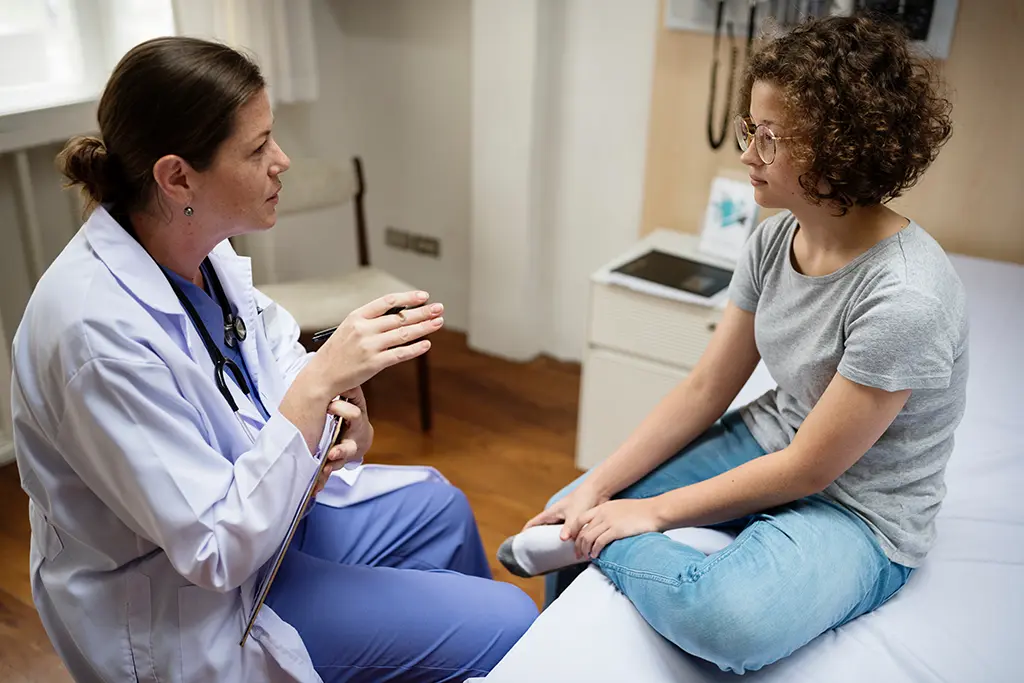
Prolapse symptoms are very common, very treatable, and not something to be embarrassed about.
Your GP can refer you to the gynaecology or postnatal physiotherapy service. Many women find that even one physiotherapy session changes their outlook.
No. With pelvic floor work and good management, many women see their symptoms improve significantly, or resolve. Things can change at life stages (further pregnancies, menopause), so management may need to be revisited at those times.
No, but the type matters. Low-impact exercise (walking, swimming, cycling, Pilates, yoga) is encouraged. High-impact exercise (running, jumping, heavy lifting) should be approached carefully and ideally after a physio assessment. Returning to running specifically has its own page.
Most pessaries can stay in for daily activities. Some can stay in for sex, others are removed. Your gynaecologist or physio will explain. Pessaries are completely removable
No. Surgery is one option, considered in selected cases after non-surgical options. Most women never need surgery.
Pregnancy can put further strain on the pelvic floor. Speak to your team early in a future pregnancy so that careful pelvic floor work can be part of your antenatal care.
No. Prolapse is the result of pregnancy and birth (the biggest single risk factor), plus genetic, hormonal, and lifestyle factors. It is common, not a failing.